
Breaking Down Real-World Scam Tactics and How to Spot Them
Episode summary
In this episode of Behind Enemy Lines: Conversations with Fraud Fighters, host Michael Lefleur sits down with Dr Nicola Harding, Criminologist and Founder of The Financial Crime Lab. They explore the real-world impact of scams and fraud, with a sharp focus on how human behavior shapes both the crime and the response.
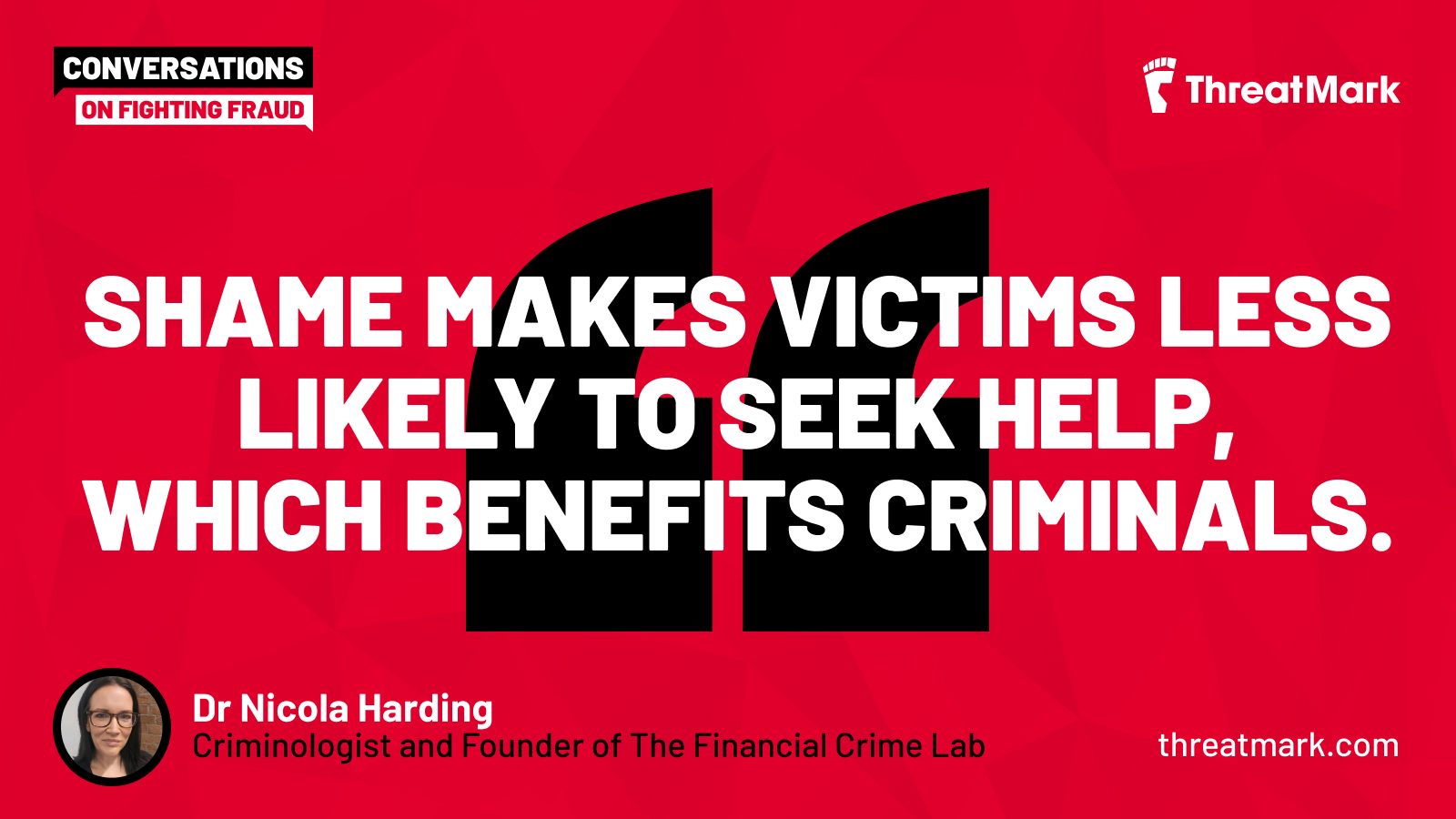
Nicola explains why understanding the mindset of victims matters just as much as tracking the tactics of fraudsters. She shares stories from the front lines, showing how shame and fear can stop people from seeking help. Nicola argues for a new approach that treats victims with empathy, not suspicion. She also breaks down how scammers exploit trust and routine, making even the most careful people vulnerable.
Together, Michael and Nicola discuss how banks and financial institutions can improve prevention without losing the human touch. Their conversation offers practical steps for shifting blame away from victims and building defenses that reflect how people actually live and bank.
Watch the Full Video Episode
Guest Profile

Key Insights
Blame Gets in the Way of Stopping Fraud
Blaming victims for falling for scams only helps fraudsters. Shame and fear keep people from reporting fraud quickly, which gives criminals more time to succeed. When banks and institutions act with empathy instead of suspicion, victims feel safer about coming forward. This leads to faster reporting, better intelligence, and fewer successful attacks. Real fraud prevention starts with treating people as partners—not as the problem. By making it easy to ask for help, organizations can close gaps that scammers exploit. The shift from blame to support not only protects individuals but also strengthens the entire system against future threats.
Everyday Habits Shape Scam Risk
Fraudsters count on routine and trust. Most people move through their digital lives on autopilot—reusing passwords, clicking links, and following familiar steps. Scammers build attacks around these habits, using urgency and clever tricks to bypass cautious thinking. The most effective defenses recognize this reality. Instead of telling people to “be vigilant” at all times, banks and security leaders can design systems that catch odd behavior and slow down risky actions. When technology accounts for human nature, fewer scams succeed—and users stay protected without having to be perfect.
Small Changes Make a Big Difference in Prevention
Big improvements in fraud prevention don’t always require sweeping changes. Small tweaks, like clearer warnings or better customer support, lower risk right away. For example, a well-timed message during a suspicious transaction can prompt users to pause and think before acting. Simple changes to banking apps or websites can steer people away from common traps. When institutions make it easy for customers to ask questions or check details, scams become harder to pull off. Continuous, small adjustments help create an environment where mistakes are less costly and fraudsters find it tougher to operate.
Related content
Trust Is Not an Internal Control: Pink Collar Crime Exposed
Inside the Cybercrime Triangle: How Fraudsters Blend Digital and Physical Attacks