Inside the Cybercrime Triangle: How Fraudsters Blend Digital and Physical Attacks
Episode summary
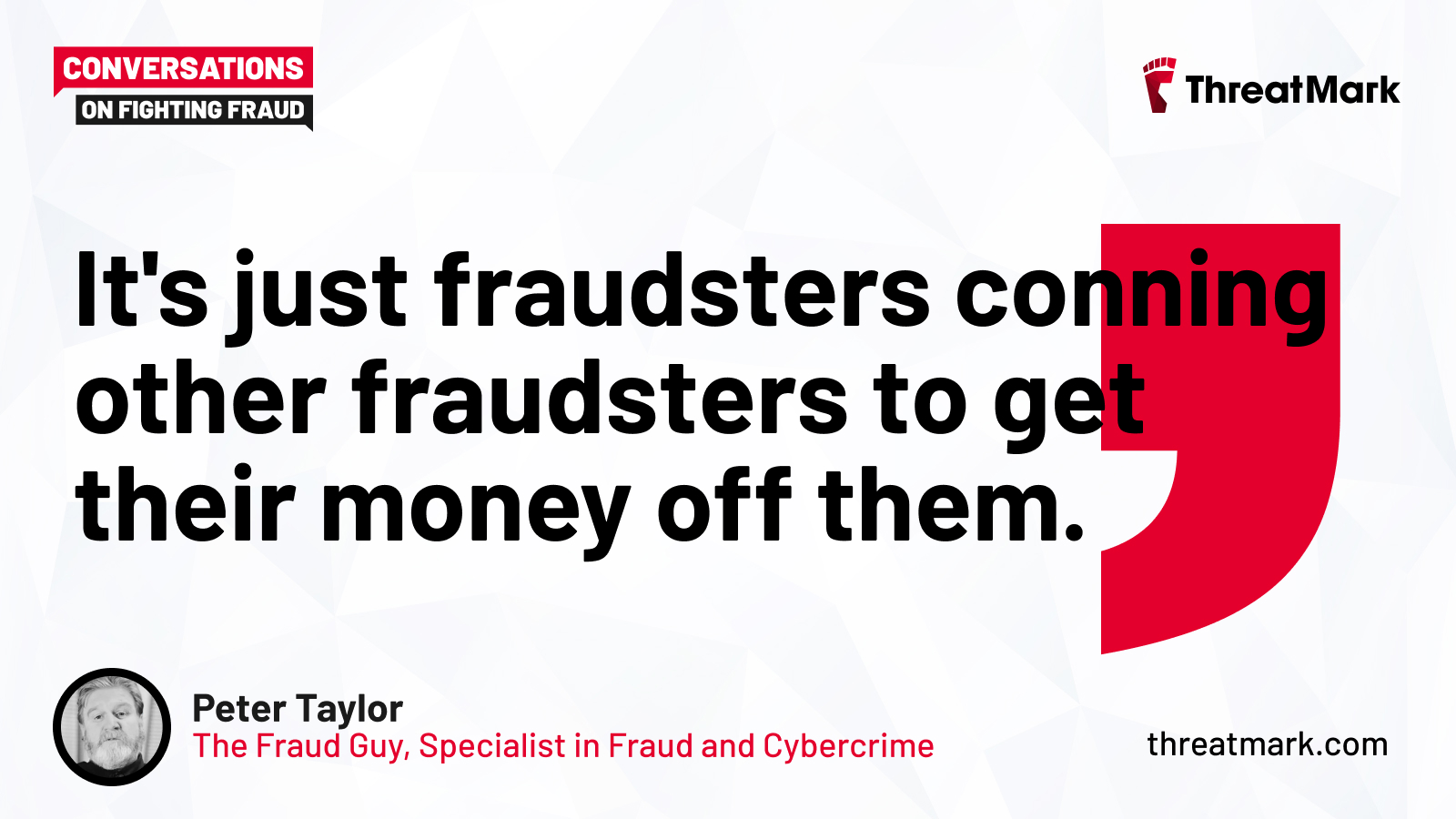
In this episode of Behind Enemy Lines: Conversations with Fraud Fighters, host Mike LaFleur sits down with Peter Taylor, The Fraud Guy, specialist in fraud and cyber crime. Together, they examine how today’s financial crime has moved far beyond lone actors and simple scams. Peter explains how organized crime, cyber criminals, and old-school fraudsters have joined forces, blending digital and physical tactics to target victims on a global scale.
Peter shares stories from the front lines, describing how fraud rings use research, social engineering, and insider help to pull off sophisticated heists. He highlights the rise of synthetic identities, the evolution of ransomware, and how fraudsters now operate like professional enterprises. The conversation digs into why attack strategies have grown bolder and why prevention—stopping that very first call or email—matters more than ever.
Peter closes with practical advice: fraud teams, business units, and law enforcement need to break down silos and work together. Education, technical safeguards, and collaboration across departments can turn people from a weak link into the strongest defense.
Watch the Full Video Episode
Guest Profile

Key Insights
Cybercrime Is Now a Team Sport
Modern financial crime rarely comes from lone actors. Instead, organized crime, cyber gangs, and traditional fraudsters now work together, each bringing a unique skill set. Some steal and sell data, others execute scams, and another group handles cashing out. This division of labor makes attacks more coordinated and tougher to detect. Criminals share tools, information, and even training materials, often operating like legitimate businesses. As a result, fraudsters can move quickly and scale their operations across borders. Understanding this team dynamic is vital for anyone fighting financial crime. To keep up, defenders also need to share intelligence and collaborate across organizations and sectors. Fighting today’s fraud means thinking beyond isolated threats and preparing for coordinated, multi-skilled attacks.
Fraudsters Blend Digital and Physical Worlds
Today’s attacks blend technology with real-world tactics. Criminals use digital tools to research, target, and exploit victims, but many schemes still rely on physical actions—like impersonating officials or sending someone to a victim’s doorstep. Some attackers study social media to time burglaries or use fake credentials to bypass lockdowns. Ransomware demands have soared because gangs now profile targets, find out what they can pay, and coordinate efforts for bigger payouts. The mix of online and offline methods means that no channel is safe on its own. Defenders should expect attacks to cross boundaries, combining phishing, social engineering, and even in-person threats. A strong defense considers both digital and physical risks and builds safeguards across every touchpoint.
Prevention and Collaboration Make the Strongest Defense
Prevention works best when it stops fraud before it starts. Blocking the first suspicious call or email can prevent losses that cascade through an organization or customer’s life. But technical controls alone are not enough. People are often called the “weakest link,” yet with the right training and support, they can become the strongest barrier to fraud. Education, clear warnings, and easy-to-use reporting tools all help. Inside organizations, breaking down silos matters—fraud, compliance, IT, and cyber teams must work as one. The same goes for the broader industry: sharing intelligence and best practices raises the bar for everyone. Building a culture of awareness and cooperation is the surest way to stay ahead of evolving threats.
Related content
Breaking Down Real-World Scam Tactics and How to Spot Them
Trust Is Not an Internal Control: Pink Collar Crime Exposed